





07 / ARTICLE
How Storyboards Build Better Character Animation

Character animation becomes expensive when fundamental story questions remain unresolved during production. Storyboards provide a fast place to test performance, clarity, and pacing before details become costly.
Find the strongest pose for each beat
A clear pose communicates intention before dialogue or motion is added. If the audience cannot understand the character’s goal in a still frame, more animation may only add noise.
Stage relationships, not isolated drawings
Where a character stands, looks, and moves in relation to the environment affects personality and story. Composition should make the important relationship immediately readable.
Use expressions as transitions
Character thought becomes visible when expressions change in response to new information. Boards can identify those moments and give them enough time to land.
Protect rhythm before polish
An animatic reveals whether a sequence moves too quickly, repeats itself, or needs a stronger setup. Timing can be corrected before final illustration and animation begin.
Practical takeaway
Approve the story at board and animatic stages. Treat every frame as a decision about intention, information, or emotion—not merely camera coverage.
See the work behind the idea
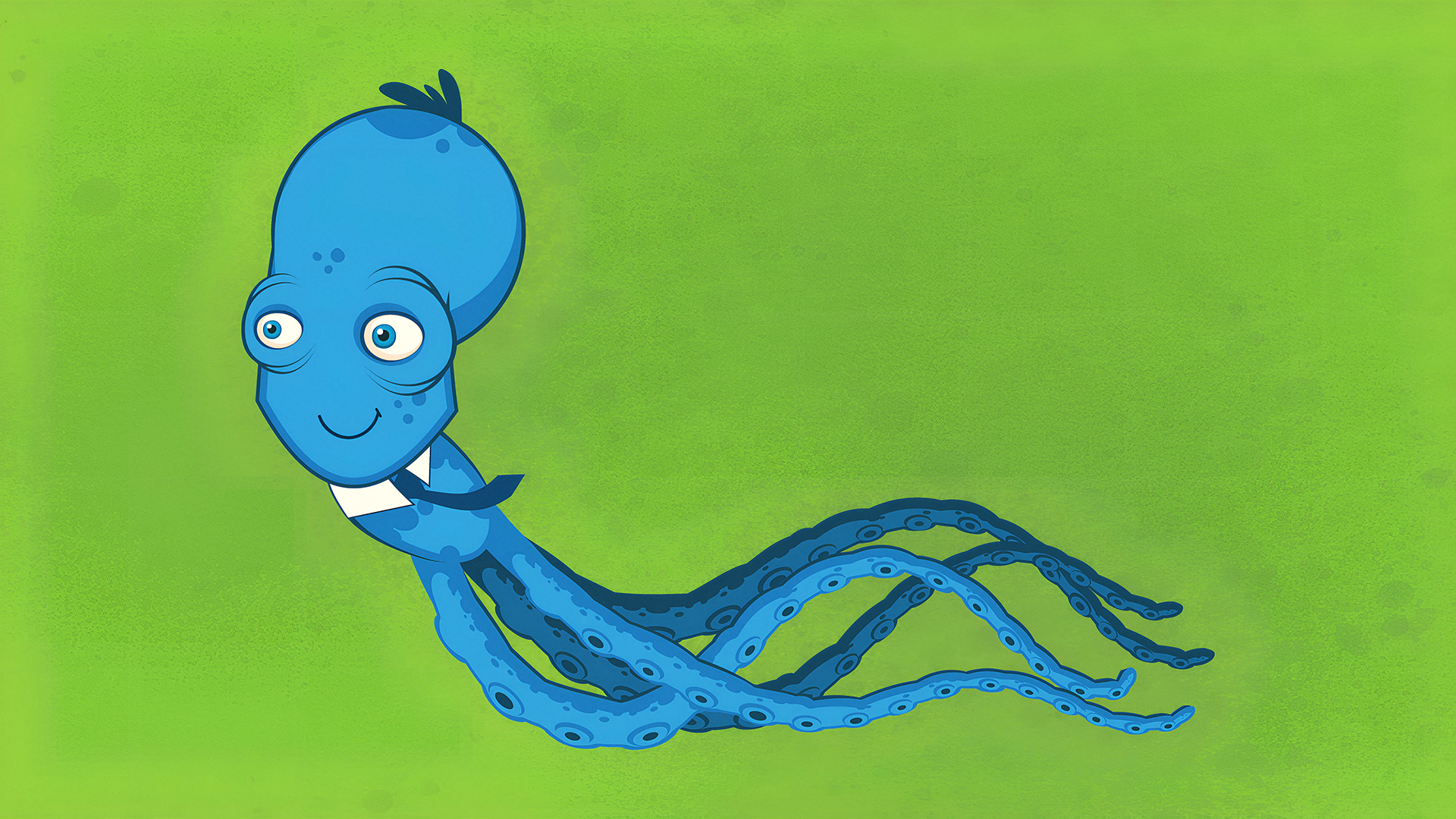
Squido Adventures shows how storyboards can shape character performance, visual comedy, pacing, and story clarity before animation begins.
Explore MattiBurns services for Art Direction and Motion Design, or start a conversation about developing stronger character animation from the storyboard forward.