




07 / ARTICLE
How to Animate Dialogue-Heavy Comedy Without Losing Momentum

Dialogue-heavy animation can feel static when every scene becomes two characters exchanging lines. The solution is not constant movement. It is purposeful staging and rhythm.
Let reactions carry the joke
A pause, glance, posture change, or delayed response can be funnier than a large gesture. Reaction animation gives dialogue another layer without distracting from the words.
Change the visual question
Even when characters remain in one location, the scene can evolve through framing, entrances, props, background behavior, or shifting power between speakers.
Use music and silence intentionally
Cues can establish pace, underline awkwardness, or create contrast with what is happening onscreen. Silence gives important jokes and strange moments room to land.
Protect clarity across a long runtime
Repeated staging becomes more noticeable in a 16-minute pilot. Vary shot scale and character arrangement while keeping geography understandable.
Practical takeaway
Storyboard dialogue scenes around beats rather than sentences. Identify each change in intention, power, or comic information, then stage the visual response to that change.
See the work behind the idea
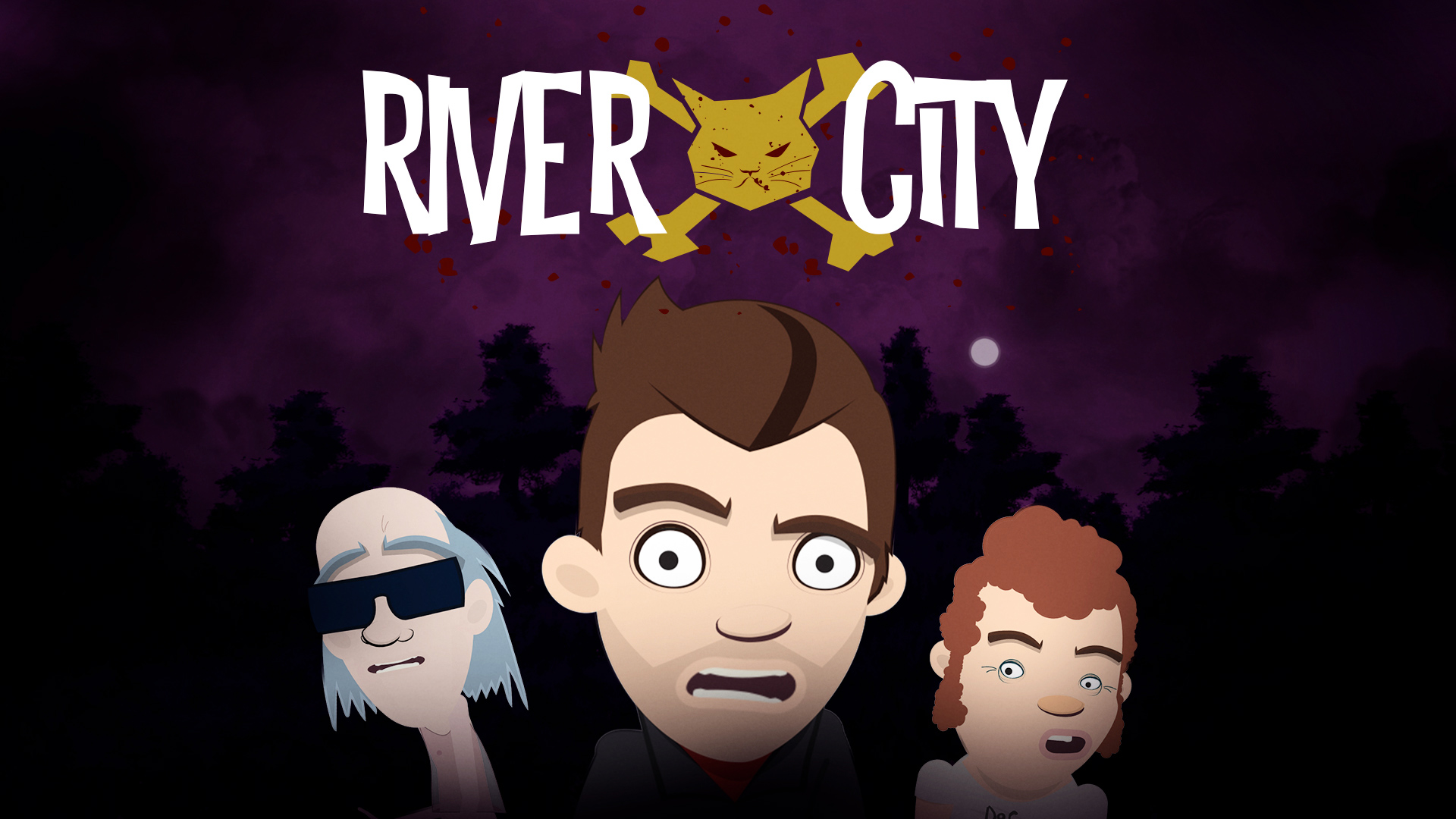
See these pacing principles in River City, a 16-minute animated pilot balancing dialogue, reaction, music cues, comedy, and supernatural atmosphere.
Explore MattiBurns services for Art Direction and Motion Design, or start a conversation about giving character-driven animation stronger visual momentum.