




07 / ARTICLE
How to Animate a Sing-Along to the Music

Music-driven animation is more than placing a movement on every beat. The strongest sequences use rhythm to organize attention, performance, and story.
Map the song before boarding
Mark verses, choruses, pauses, accents, and transitions. This musical map reveals where visual ideas should repeat and where the animation needs a change.
Choose which sounds deserve motion
If every instrument triggers a new action, the screen becomes noisy. Prioritize the vocal phrase, major beat, or comic accent that helps the child follow the song.
Use poses that read instantly
Young audiences benefit from clear silhouettes and expressive actions. A strong pose can communicate the lyric before secondary motion adds charm.
Give participation room
Holds and repeated timing allow children to sing or move along. Animation does not need to rush simply because the music continues.
Practical takeaway
Create an animatic with the final track early. Test whether important actions land clearly at normal playback speed before polishing character motion.
See the work behind the idea
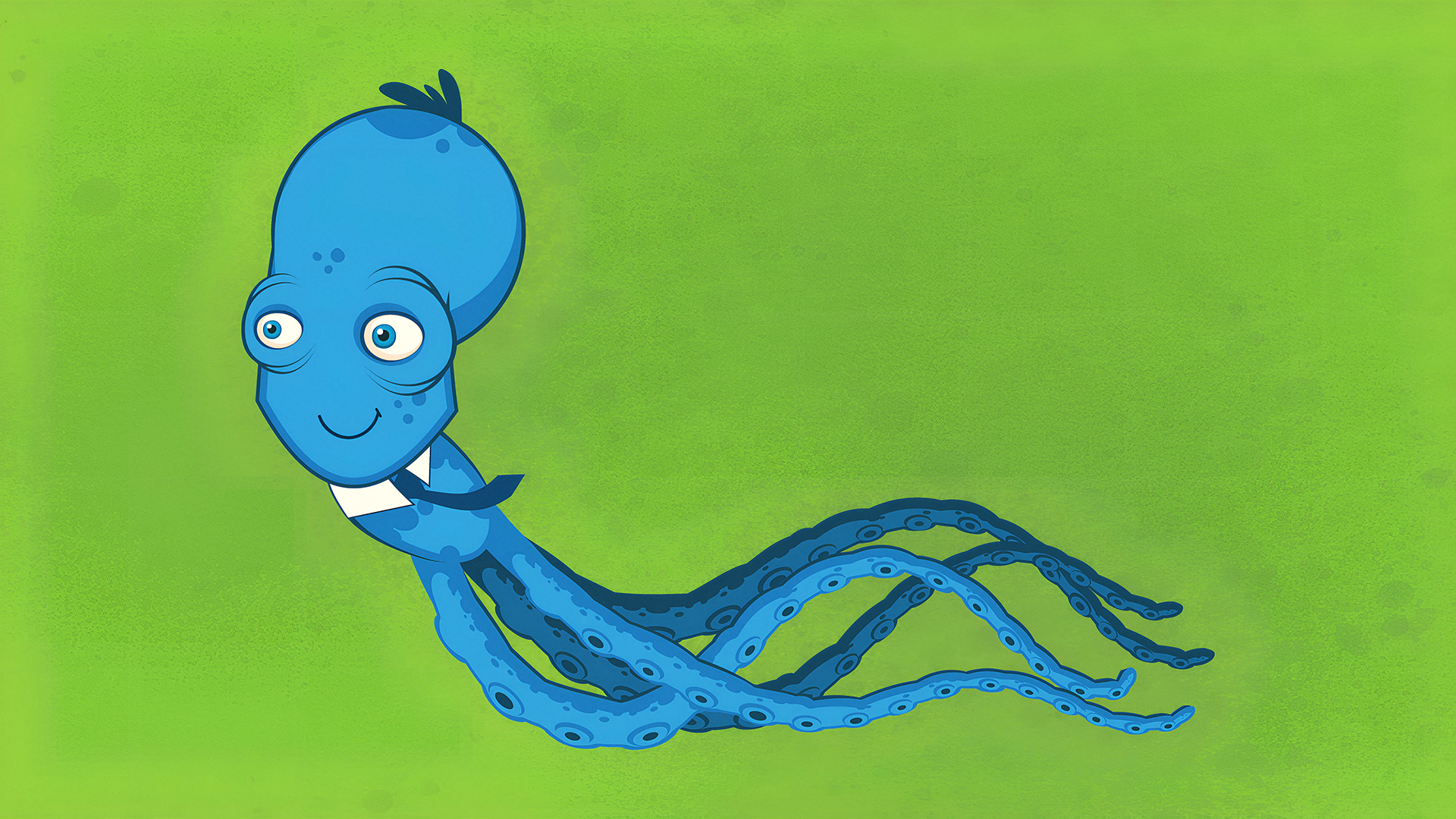
Hi-O-Fishy shows how storyboards, character movement, and repeated visual beats can make a sing-along feel connected to the music from beginning to end.
Explore MattiBurns services for Art Direction and Motion Design, or start a conversation about turning a children’s song into a memorable animated experience.