





07 / ARTICLE
How Character-Led Animation Makes Product Features Easier to Understand

Product animation often begins with interfaces, devices, and feature diagrams. Character-led storytelling begins with someone who needs something. That small shift gives every technical detail a reason to exist.
Give the audience a point of view
A character creates continuity across multiple devices and locations. Viewers understand what matters because they are following one person’s intention through the sequence.
Make cause and effect visible
Animation can show a phone, Chromebook, watch, or television responding as part of one connected action. Clear timing helps the audience understand which behavior triggered the next result.
Use expression without overacting
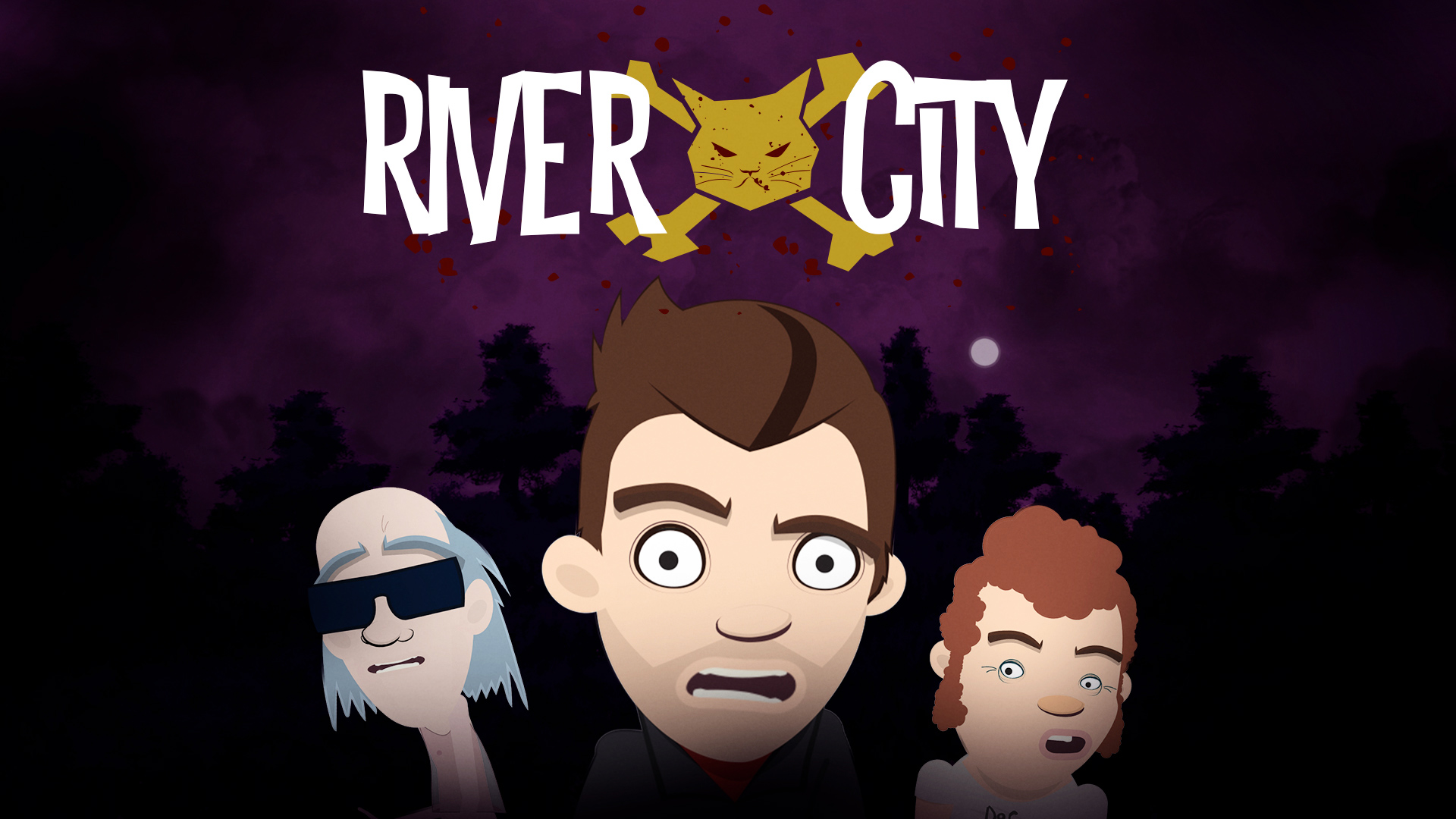
Small reactions can communicate relief, recognition, or delight. The emotion should support comprehension rather than turning the product story into a performance disconnected from the feature.
Keep interfaces subordinate to the narrative
UI details should be accurate enough to build trust and simplified enough to remain readable. Show only what the audience needs for the current beat.
Practical takeaway
Write each feature as a short human scenario: goal, friction, connected action, and result. Then design the motion around that sequence.
See the work behind the idea
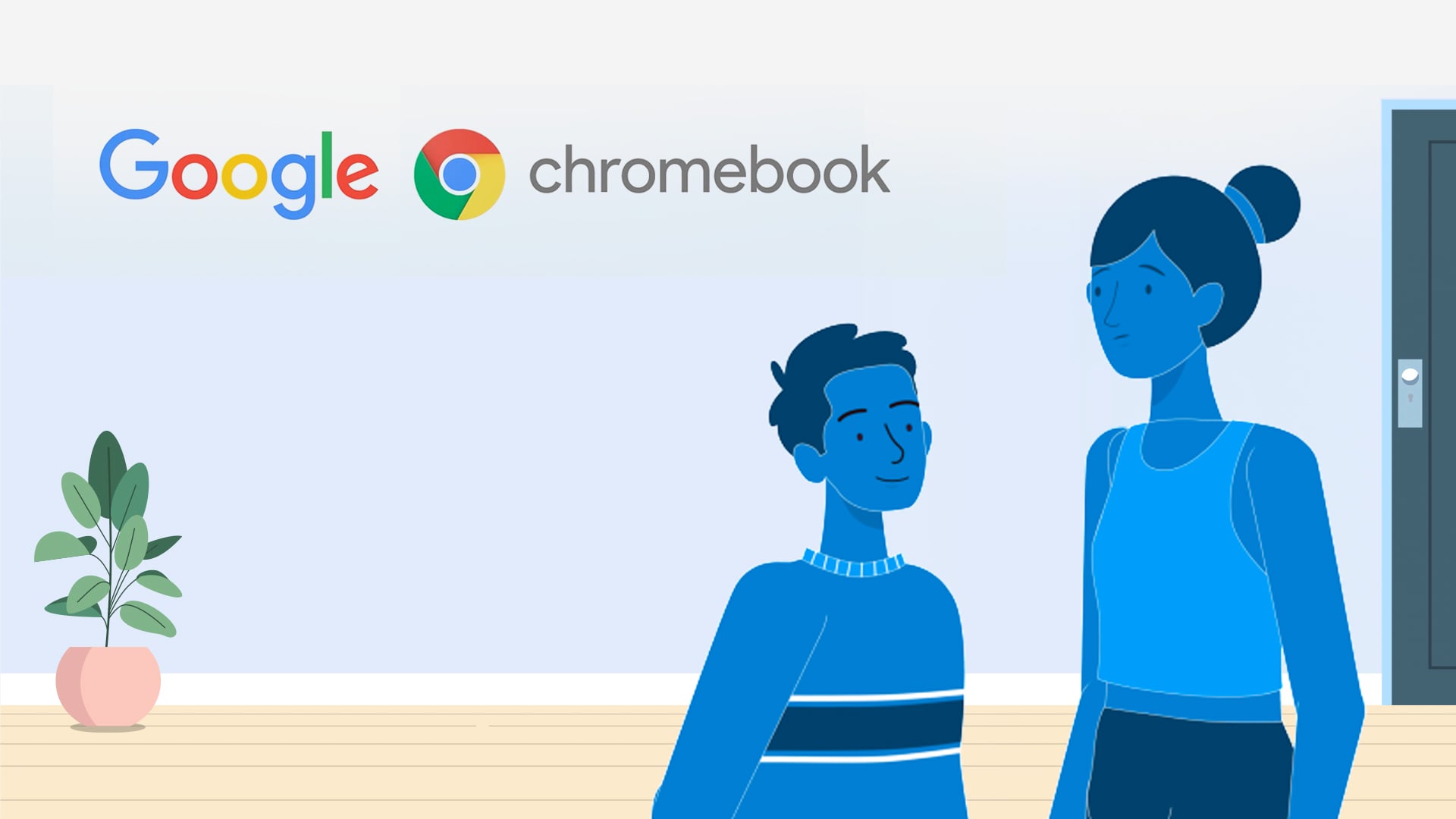
In the Google Ecosystem project, character-led animation makes connected features easier to understand by showing products responding to familiar human needs.
Explore MattiBurns services for Art Direction and Motion Design, or start a conversation about turning product features into a story people can recognize.